Beyond the Waves: How a Personal Connection to Alexandria's Coast Led to a Mediterranean Action Plan
My journey taught me that our lived experiences as young people are valid and valuable policy insights. We do not have to wait for top-down solutions to fix the problems in our cities.
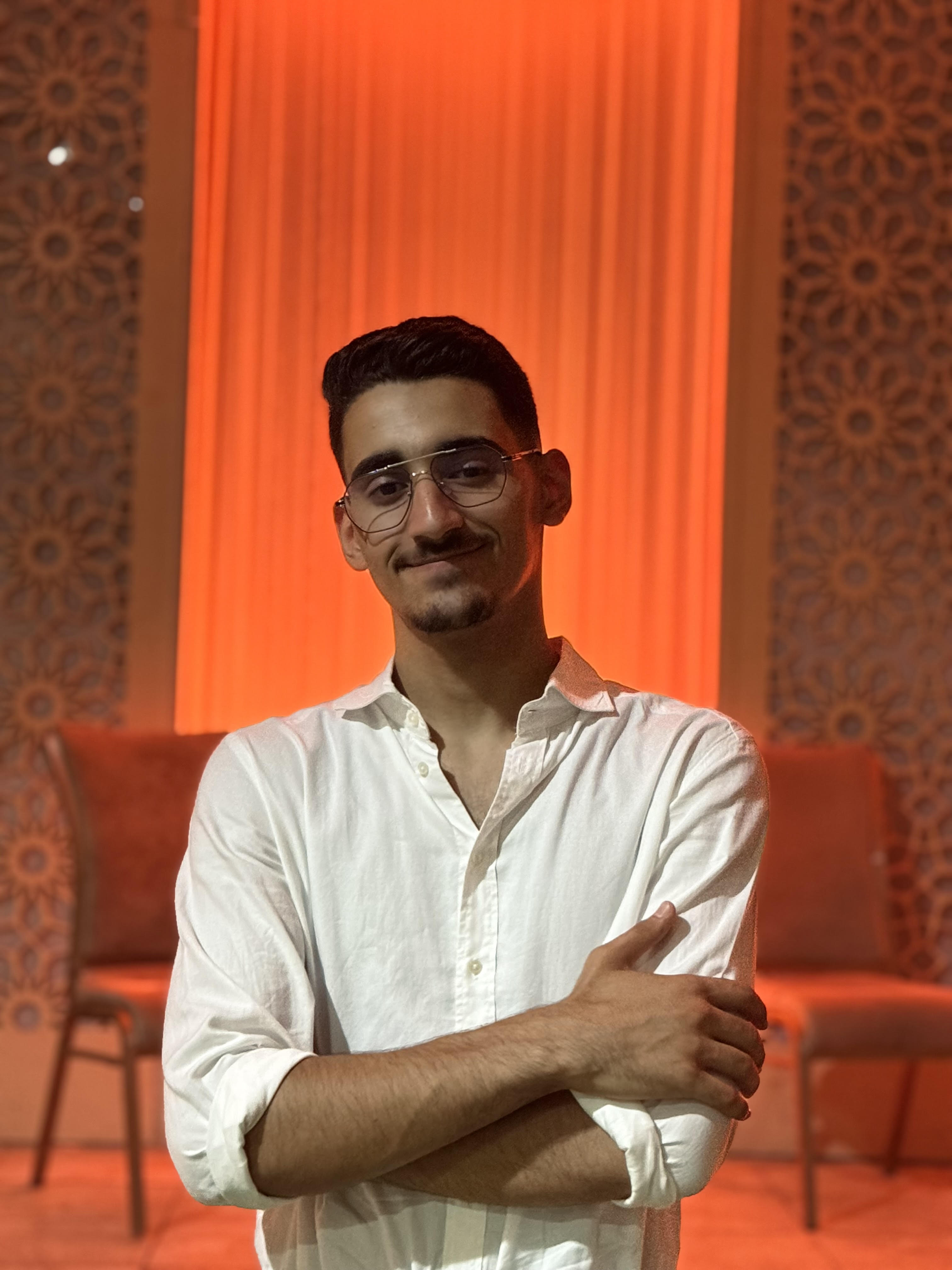
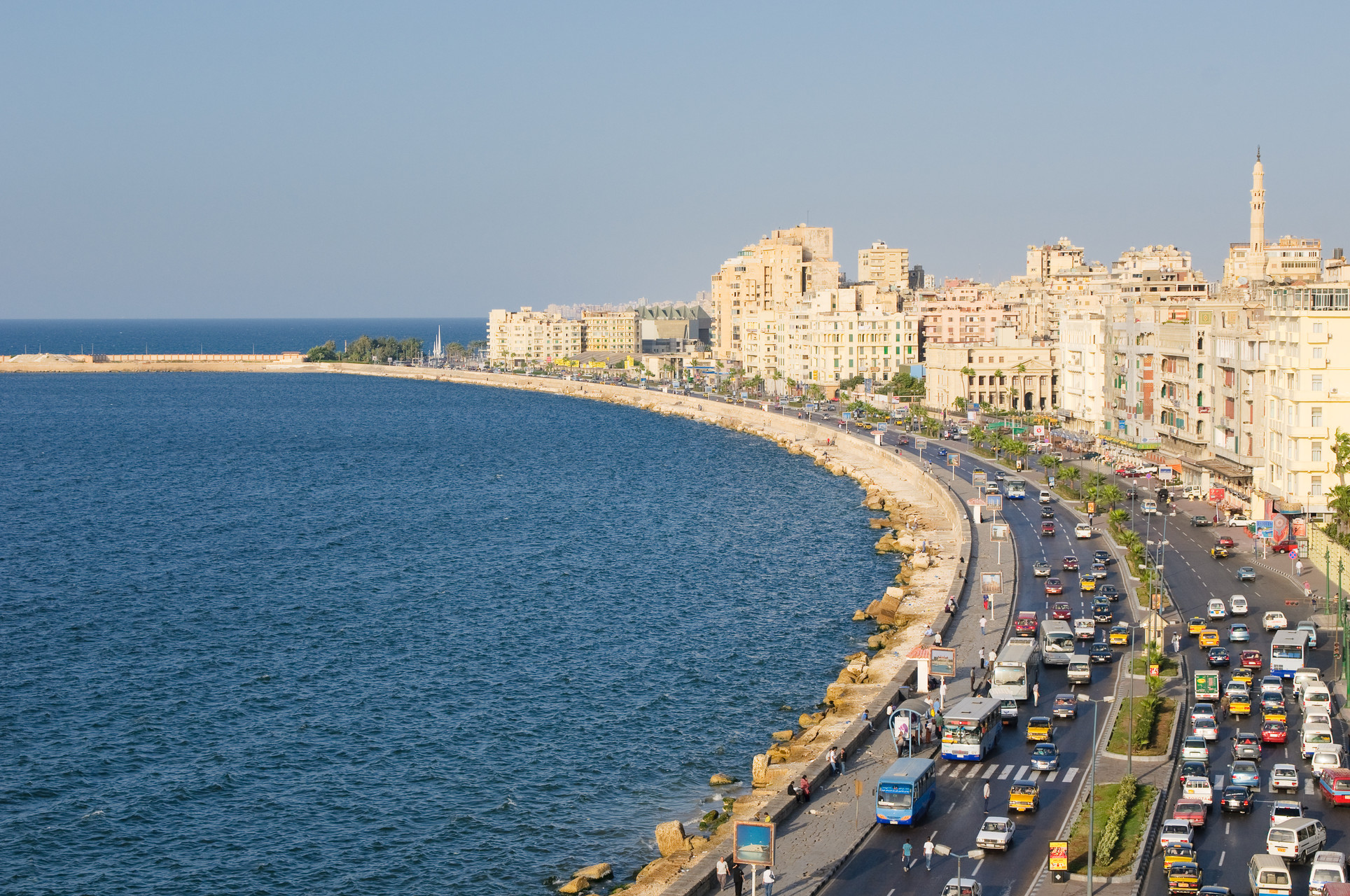
My name is Shahd, and Alexandria has always been my home. The Mediterranean Sea is in my blood, and growing up along its coast, the water was never just scenery to me, but a core part of who I am and how I see the world.
Marine pollution is not just about plastic bottles or bags washed up on the sand. A major part of the crisis comes directly from companies that manufacture personal care products, like face washes and cosmetics, which contain tiny plastic particles. These microscopic particles wash down our drains every day, and our municipal treatment plants were never designed to catch them. They flow straight into our sea.
When I looked into the research, the reality hit close to home. A study published by researcher Abeer El-Sayed and his team at Alexandria University in 2022 showed that 92 percent of commercial fish sampled in Eastern Harbor and Abu-Qir Bay contained microplastics. This directly affects our local food supply and the livelihoods of fishermen I see every day.
I knew I could not just read these facts and do nothing. Through the "Inspiring and Leading Youth" public policy leadership program, organized by Participatory Development Solutions - ElMahrousa (PDS), I met a brilliant team of nine other young researchers from diverse academic backgrounds. Together, we were trained on how to turn social and environmental challenges into actionable policy paper proposals. Teaming up with local grassroots initiatives like Banlastic, an Egyptian civil society organization that actively upcycles collected plastic waste into furniture, home decor, and awards, we drafted a local policy paper aimed at fixing wastewater treatment gaps in Alexandria. We were fortunate to secure early endorsement from a member of the Egyptian Senate, a moment that proved young people can truly influence policy.
I quickly learned that local passion must be paired with scalable policy to create lasting change. To make a real difference, we needed to translate what we saw on the ground into practical frameworks that government officials, diplomats, and investors could implement. I decided to take our research further and expand it into an international policy framework, comparing Alexandria's municipal wastewater challenges with agricultural plastic runoff in Almería, Spain. In our updated proposal, we put forward a two-part solution.
First, through Extended Producer Responsibility, we require plastic and cosmetic manufacturers to cover waste management costs for their products. Second, through Catalytic Blue Finance, we use blue bonds and blended finance to retrofit municipal treatment plants with cost-effective sub-micron filtration technologies, like electrocoagulation, to catch micro-particles before they reach the sea.
This issue does not stop at the borders of Alexandria. A report published by the OECD in 2024 revealed that continuing with business as usual will push global waste management costs to 2.1 trillion dollars by 2040. The Mediterranean connects us all in North Africa and Southern Europe, the same water washing up on all of our shores.
My journey taught me that our lived experiences as young people are valid and valuable policy insights. We do not have to wait for top-down solutions to fix the problems in our cities. When we combine our personal stories with clear data and practical solutions, we show decision-makers that youth belong at the table. I am determined to keep pushing for a cleaner Mediterranean, ensuring our sea remains a source of life for generations to come.
متنساش السلام بيبدأ من هنا 🫀 (Remember, peace always begins from here 🫀)